
AI Security Cameras: What They Can Actually Detect and What to Evaluate Before Investing
Video analytics and AI have expanded what surveillance systems can do, but their effectiveness depends on the camera, the scene, the infrastructure and the way the system is configured. Choosing the right solution begins with defining what the organization actually needs to detect and what should happen when that event occurs.
By Servitec GyG Team
Recording an event and finding it later are different problems
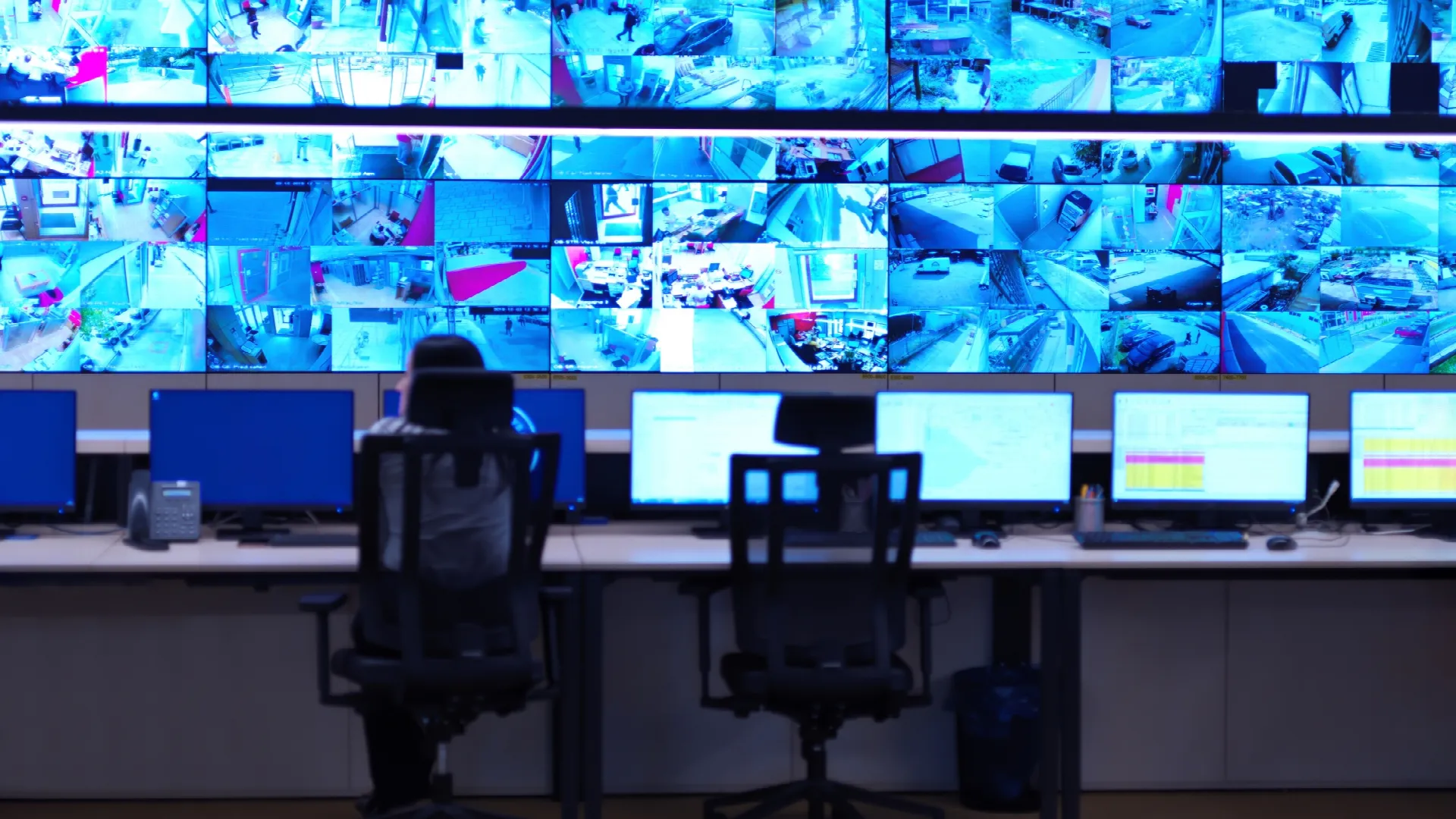
After an incident, someone opens the CCTV system and confirms that the cameras were recording. The event probably occurred within the field of view, which means the information may already exist somewhere in the recorded video. The difficulty comes next: no one knows the exact time, the event may have lasted only a few seconds, and several hours of footage may need to be reviewed before the relevant moment is found.
This is one of the situations where video analytics can provide practical value. Depending on the manufacturer, camera model, recorder and software platform, a system may be able to classify certain objects, distinguish between people and vehicles, or create events when predefined conditions occur inside a selected area. These capabilities can make recorded video easier to search and can help operators focus on events that are more likely to be relevant.
The important limitation is that “AI security camera” is a broad commercial term rather than a guarantee of one specific capability. Two cameras marketed with artificial intelligence may support very different functions, processing methods and configuration options. Evaluating the technology therefore requires looking beyond the label and understanding exactly what the selected equipment can do under the conditions where it will actually be installed.
Start with the event the organization needs to understand
One company may want to know when someone enters a restricted area outside normal operating hours. Another may need to locate vehicle-related events more quickly after an incident. A third may want its monitoring personnel to receive fewer alerts caused by irrelevant movement and more useful notifications related to people or vehicles. All of these scenarios may involve analytics, yet they do not necessarily require the same cameras or system design.
Defining the operational need first helps avoid a common mistake: selecting equipment because its specification sheet includes a long list of intelligent functions, then trying to find a use for those functions after installation. A more useful process begins by asking what needs to be observed, under what conditions an event matters and what the organization intends to do once that event has been identified.
Those answers determine which capabilities are worth evaluating. In some systems, a function may be processed directly by the camera. In others, it may depend on the recorder, server or management platform. Certain capabilities may only be available on specific product lines or require compatible components throughout the solution. This distinction matters because the feature that appears on a brochure may not be available in exactly the same way across every configuration.
The scene can matter as much as the camera
Analytics work with what the camera can see. Installation height, viewing angle, distance, lighting and field of view all influence the information available to the system. A camera may provide an excellent overall view of a parking area while being poorly positioned for a particular type of detection because objects appear too small or enter the scene at an unsuitable angle.
Conditions can also change significantly throughout the day. A location that performs well in daylight may behave differently at night, especially when there are headlights, reflections, strong contrasts or areas with limited illumination. Shadows, moving vegetation, rain and other environmental elements can also affect certain rules depending on the technology and configuration being used.
For that reason, advanced analytics do not eliminate the need for good camera placement and careful commissioning. Detection zones, thresholds and other parameters need to correspond with the actual scene, and the finished installation should be tested under realistic operating conditions. The objective is to create a system that supports the required task consistently, rather than assuming the intelligence built into the camera can compensate for poor positioning or an unsuitable field of view.
Intelligent video still depends on the rest of the CCTV system
The camera may attract most of the attention, but the performance of a video surveillance system also depends on network capacity, recording, storage, power and retention requirements. Resolution, frame rate, compression settings, the number of cameras and the amount of time video must be retained all influence the resources the system needs in order to operate reliably.
This becomes especially relevant with IP surveillance because video traffic travels through the network. A small installation with a few cameras creates very different requirements from a larger environment where dozens of streams are recorded simultaneously. Storage planning also needs to consider how long footage should remain available and whether certain areas or events require different retention periods.
The organization should also define what happens after analytics generate an event. A company using CCTV mainly for investigation after an incident may value faster searches and classification. A location with active monitoring may place greater importance on real-time alerts. In both cases, a system that generates too many irrelevant events quickly becomes difficult to use, so the configuration needs to support the way people will actually interact with it.
Build the analytics around the need, not the feature list
Servitec GyG develops CCTV and electronic security projects, including solutions with video analytics when the selected equipment and installation conditions support them. We work with technologies such as Hikvision and can evaluate cameras together with the network, recording and storage infrastructure required by the project.
The most useful conversation normally begins with the event the organization needs to observe rather than with a specific camera model. From there, it becomes possible to evaluate the scene, determine appropriate placement, review recording and retention requirements, and identify which analytic functions can contribute to the objective without assuming that every intelligent feature is necessary.
If your company is considering a new CCTV system or an upgrade that includes AI-assisted video analytics, we can help define what needs to be detected first and then evaluate which technology, configuration and infrastructure are appropriate for that purpose.